Livonia Warriors and Tyros Kick Off Robotics Season
LIVONIA — 1/14/2026
The countdown was on. Two hours before kickoff, students streamed into the Livonia Career and Technical Center, where the Livonia Warriors and Tyros high school robotics teams meet. Teammates reunited, friends caught up, and the energy in the room steadily built as anticipation grew for one of the most important days of the season.
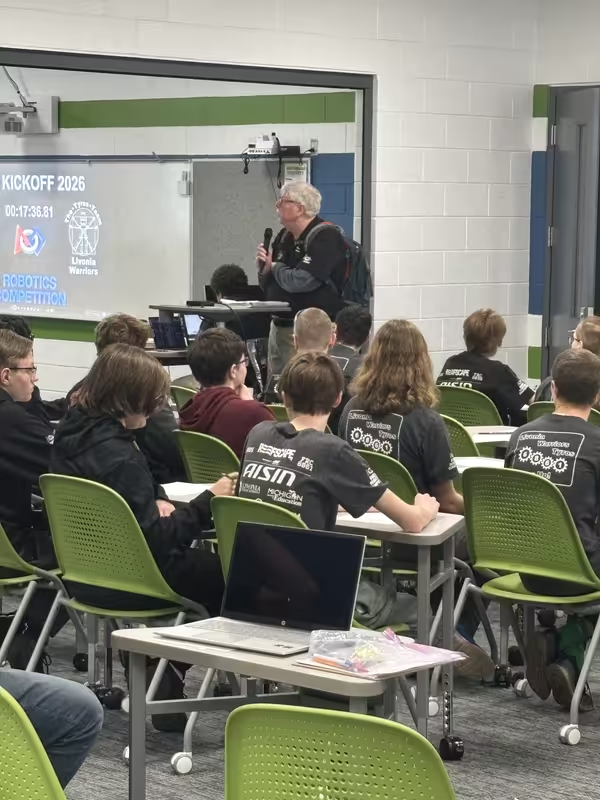
Kickoff is a January tradition for FIRST Robotics teams around the world. FIRST—For Inspiration and Recognition of Science and Technology—is a global nonprofit organization founded to inspire young people’s interest and participation in science, technology, engineering, and math (STEM). Through hands-on, mentor-based programs, FIRST challenges students not only to design and build robots, but also to develop problem-solving skills, teamwork, leadership, and resilience. Its programs span from elementary school through high school, with FIRST Robotics Competition representing the highest level of challenge.
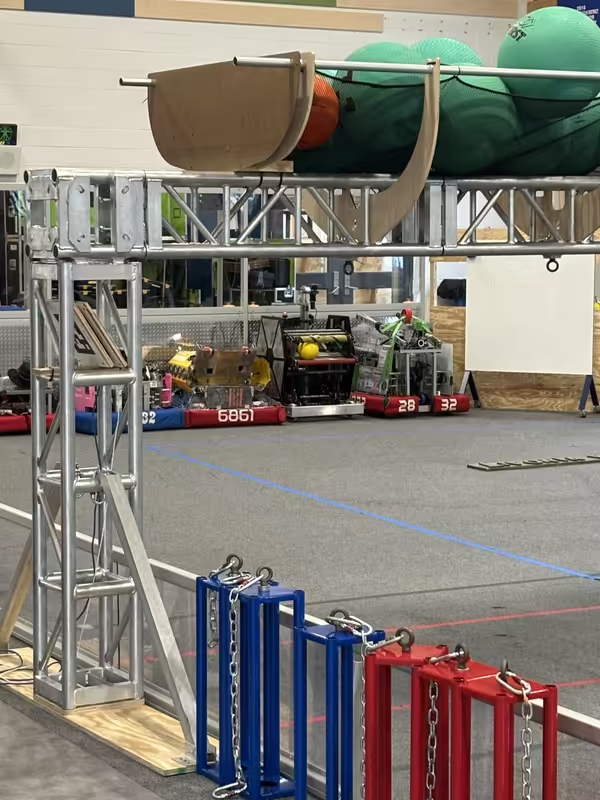
On kickoff day, FIRST releases the year’s competition through a detailed reveal video that introduces the game, the field, and how teams score points. Students and mentors watched intently as the animation played, reacting with audible excitement—and occasional concern—when unexpected twists appeared. Once the video concluded, a passcode unlocked the full rulebook, which this year spanned nearly 200 pages.
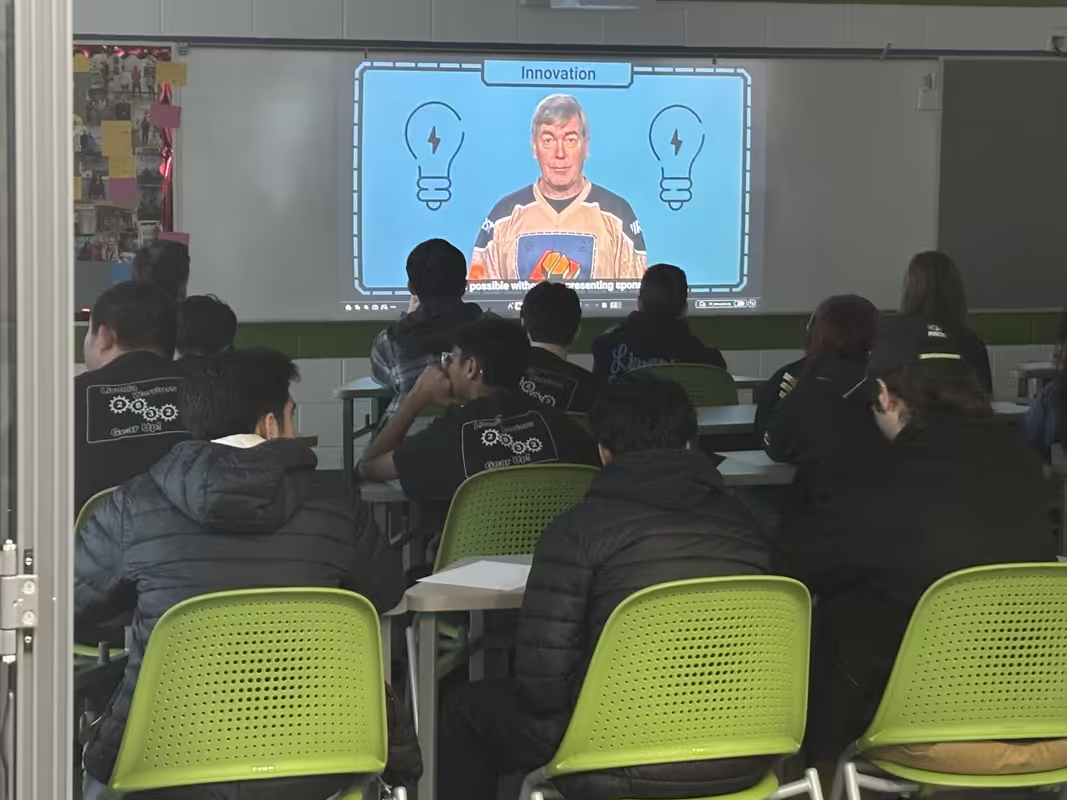
As soon as the presentation ended, conversations erupted around the room. Teams immediately began discussing strategy, identifying challenges, and brainstorming design ideas. Although Livonia hosted its own event, this same process was unfolding simultaneously across the globe as thousands of teams began their six-week build season.
Livonia’s kickoff was a six-hour Saturday event that included breakfast snacks, team and individual photos, the FIRST presentation, lunch, and afternoon planning sessions. These sessions focused on build schedules, collaboration, and how the teams would design and construct a competition-ready robot within a tight six-week deadline—mirroring the real-world engineering process emphasized by FIRST.
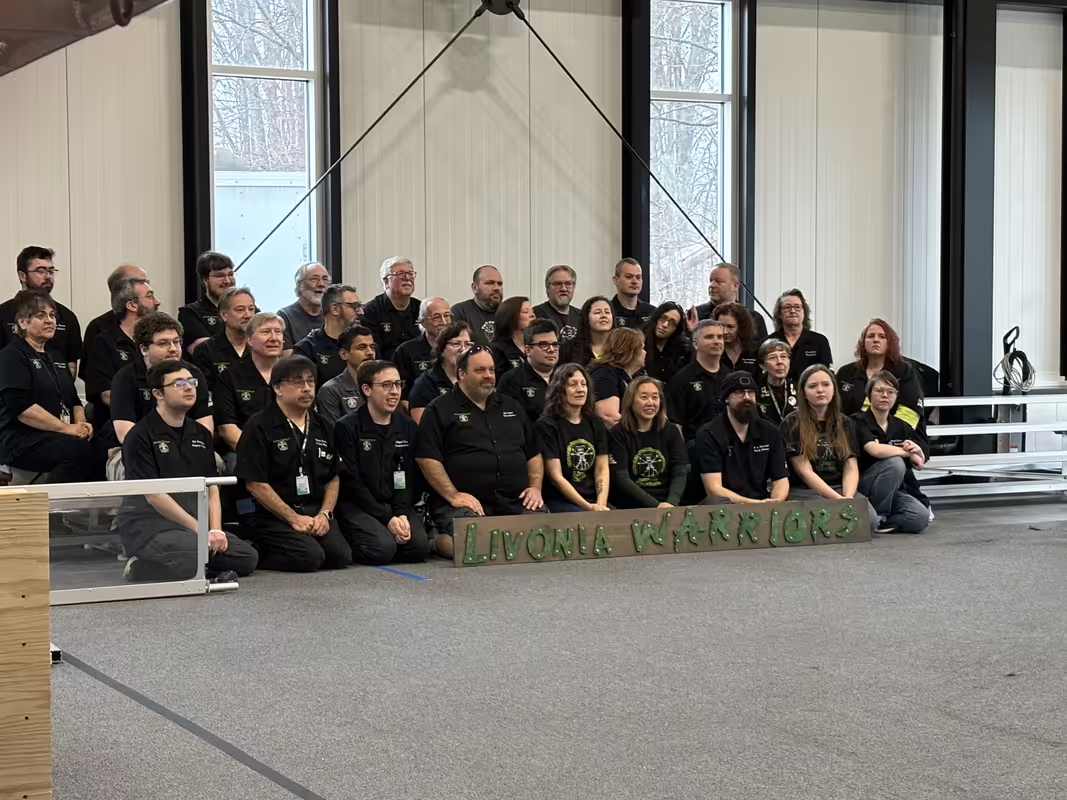
Each year, between 70 and 110 students participate in Livonia’s high school robotics program. Supporting them is a large group of mentors and volunteers with diverse backgrounds. Mechanical and software engineers work alongside photographers, IT specialists, field builders, web developers, and general coordinators. Many mentors and volunteers are parents of students, while others come from local companies such as Ford and Roush.
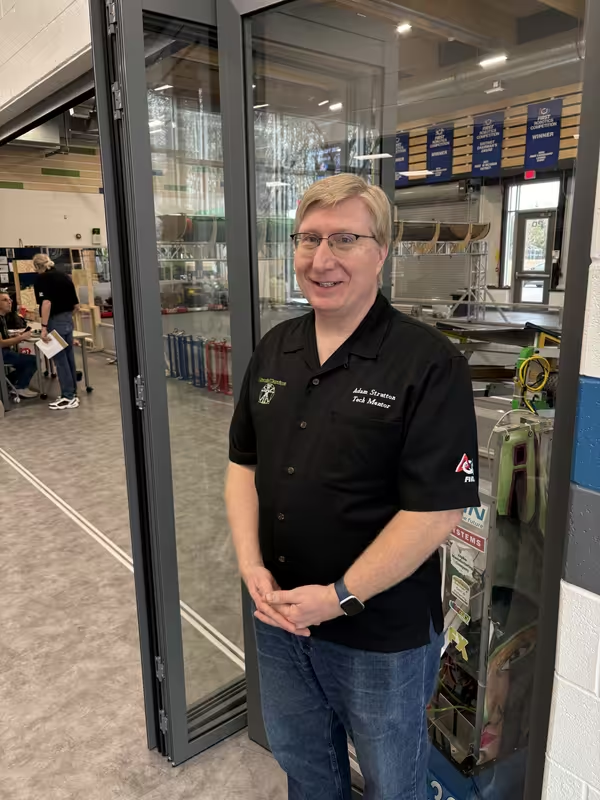
Adam Stratton, works at Ford and has mentored for 13 years. He currently helps as a chief engineer. Adam said he initially joined because his two children were involved in the program, but stayed on because of how rewarding the experience has been.
At the center of the program is Isolina Carlina, an English teacher—an unexpected leader for a robotics program. She has been guiding the Livonia teams for 18 years. Her involvement began when her son, Joey, became interested in robotics. After the team’s original coach stepped down following its first season, Joey and his teammates asked Mrs. Carlini to take over so they could continue competing.
“I had a lot of concerns,” Isolina said. “But the students encouraged me, and I accepted.” Thirteen years later, the program has grown into two Livonia Public Schools teams drawing students from Stevenson, Franklin, and Churchill high schools.
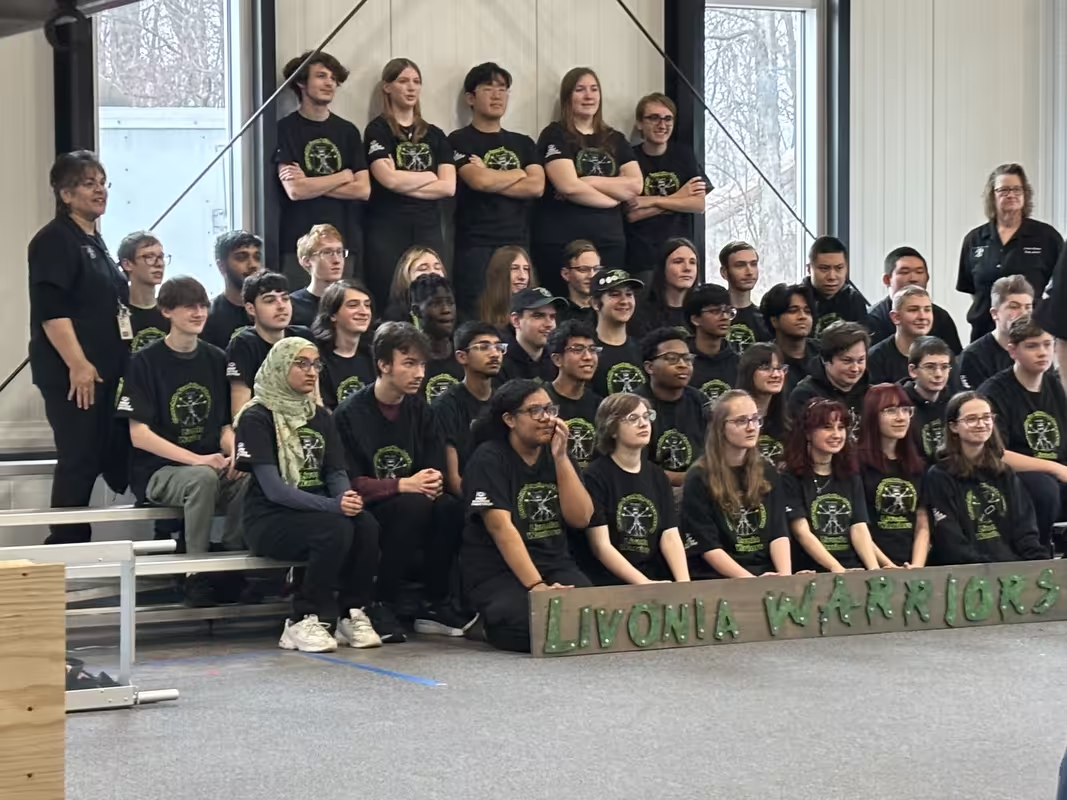
The Livonia Warriors were formed first and serve as the program’s more competitive team. Last season, the Warriors advanced all the way to the world championship. The Tyros team, created in 2018, is made up of freshmen and allows younger students to gain experience by building and competing with their own robot.
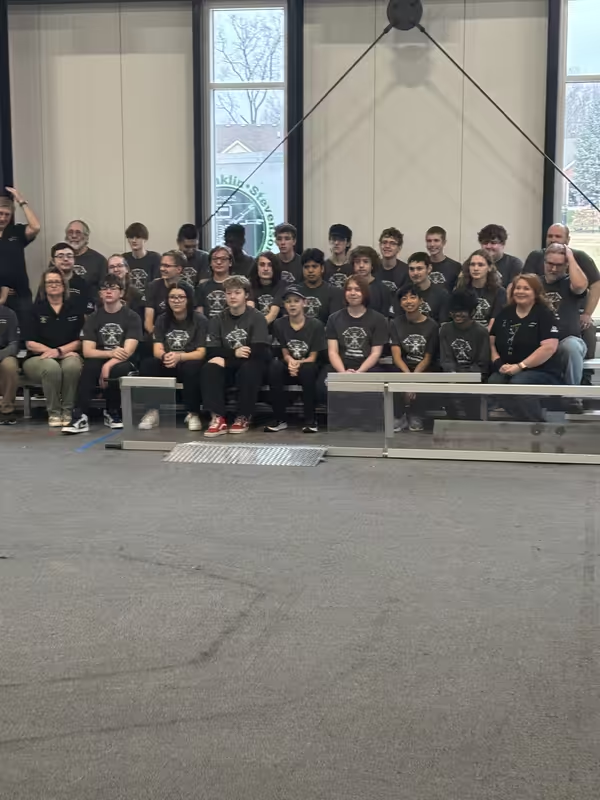
“Having a freshman team lets new students jump in right away,” Isolina explained. “It also allows the Warriors to remain highly competitive.” In fact the Warriors team has gone to the World Championship 5 times and qualifies for State almost every year.
That competitiveness is paired with mentorship and outreach. The Livonia teams regularly advance to district and state competitions and have helped support other teams, including Clarenceville, which was in attendance at the kickoff. In March, the teams will also host a district competition at Livonia Churchill High School.
Students say the experience goes far beyond building robots.
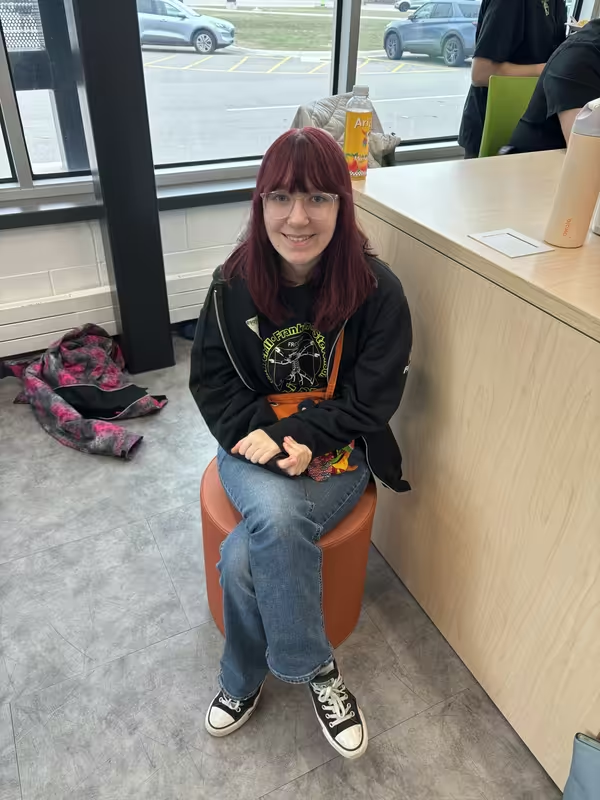
Chloe McDade, a student in her third year on the team, said the hands-on responsibility has been invaluable. “You’re really in charge of doing things yourself,” she said. Chloe has expanded on Java and a lot of technical skills, but said the program was helpful even though programming may not be McDades career choice.
Senior Sriyansh, who has been part of robotics for four years and previously competed at the national level in middle school, said the program aligns perfectly with his interests. “I’ve always loved engineering,” he said, noting his father is an engineer. Sriyansh plans to study biomedical engineering and said the mechanical experience he’s gained feels directly applicable to real-world work. He also described this year’s challenge as the most exciting yet, calling it “the best game” he’s seen, alternating when teams can score makes it different.
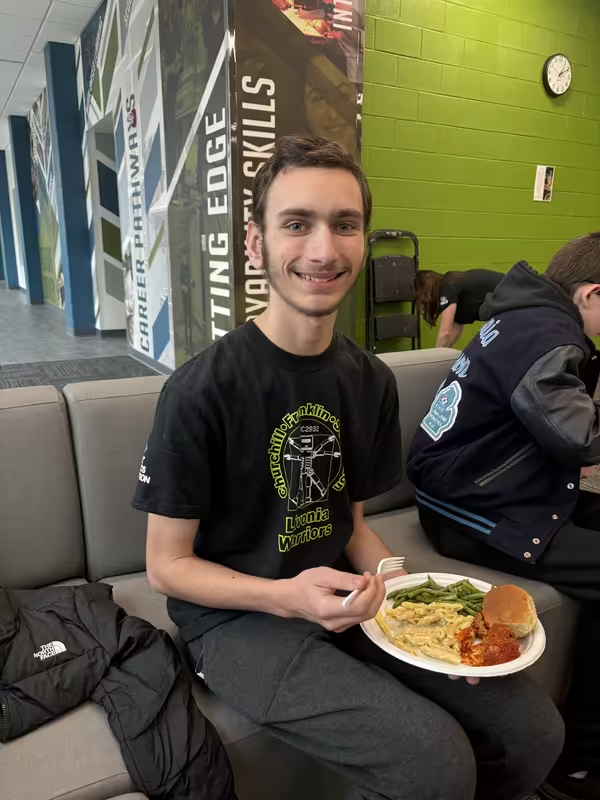
Christopher Bennett, a sophomore in his second year, said he joined after participating in FIRST Tech Challenge in middle school. “The competitions are crowded and intense, but really fun,” he said, adding that learning when to score and when to adapt strategy will keep this years game interesting.
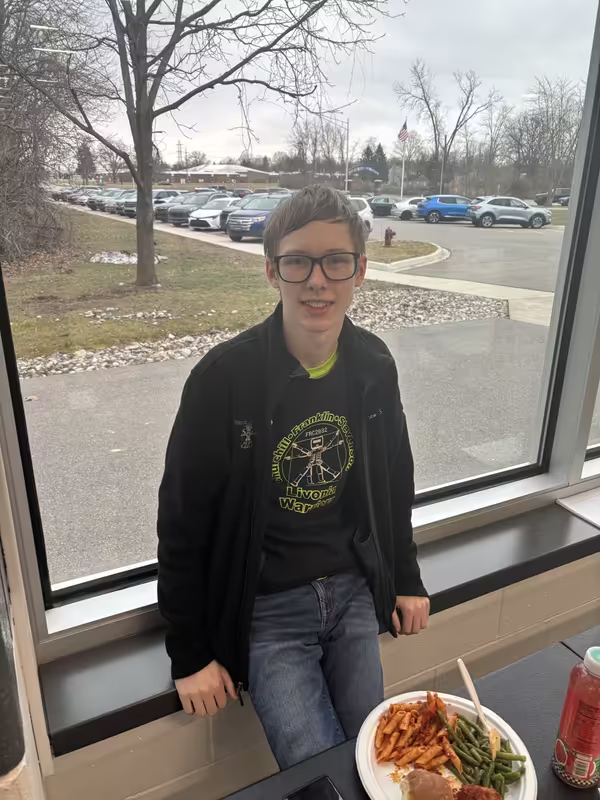
Matthew, a senior whose parents are engineers, said a robotics demonstration at Stevenson initially drew him in. “Working together and being hands-on is something you just can’t get in the classroom,” he said. “You meet people, solve problems together, and I’d like to help out in the future after I graduate.”
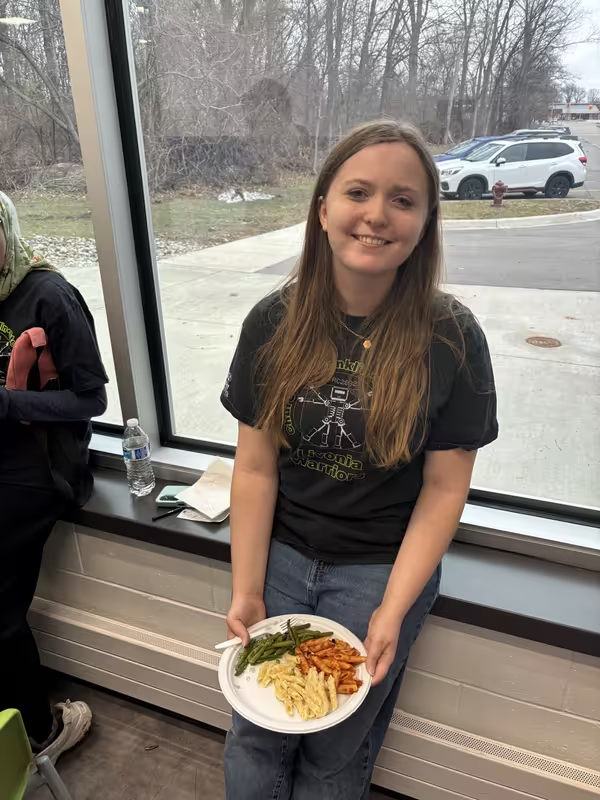
Mentors echoed those sentiments. Sabrina Kirr, who started robotics in eighth grade and now mentors the team, said the community aspect kept her involved. “I made a lot of friends and gained skills I wouldn’t have otherwise,” she said, adding that robotics helped her expand her interests beyond what she knew. This was not necessarily in engineering but into areas like imagery and design.
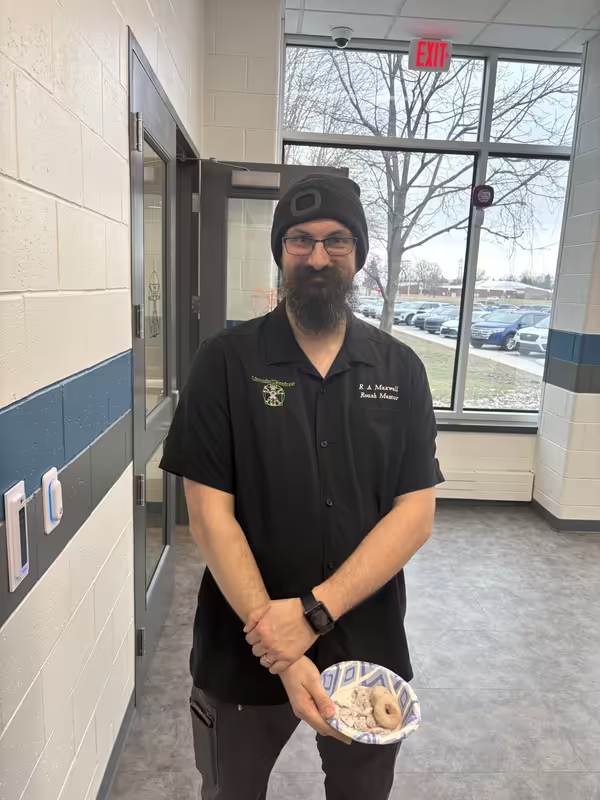
R.A. Maxwell, a general mentor in his second year who focuses on electrical work, CAD, and field setup, said the competition structure gives students clear goals. “Six weeks to build, then regionals, then states, then worlds,” he said. “Every year is a brand-new competition, and the opportunities are incredible.”
Mentors also emphasized the program’s long-term impact. According to Mrs. Carlini, in one graduating year nearly 99 percent of students went on to college within a year, with many pursuing engineering degrees. Colleges such as Kettering University, the University of Michigan, and Michigan Technological University actively seek FIRST Robotics alumni.
But Isolina stressed that robotics is not just about producing engineers. “We don’t just build robots—we use robots to build kids,” she said. “We meet students where they are and help them grow, whether that’s on the drive team, in programming, design, media, or leadership.”
As the new season begins, expectations are high following last year’s success. Yet students and mentors agree that wins and banners are only part of the story. Regardless of competition outcomes, the experience of collaboration, problem-solving, and personal growth ensures the season will be a success.